Climate science fiction: a trilogy of grade B plots
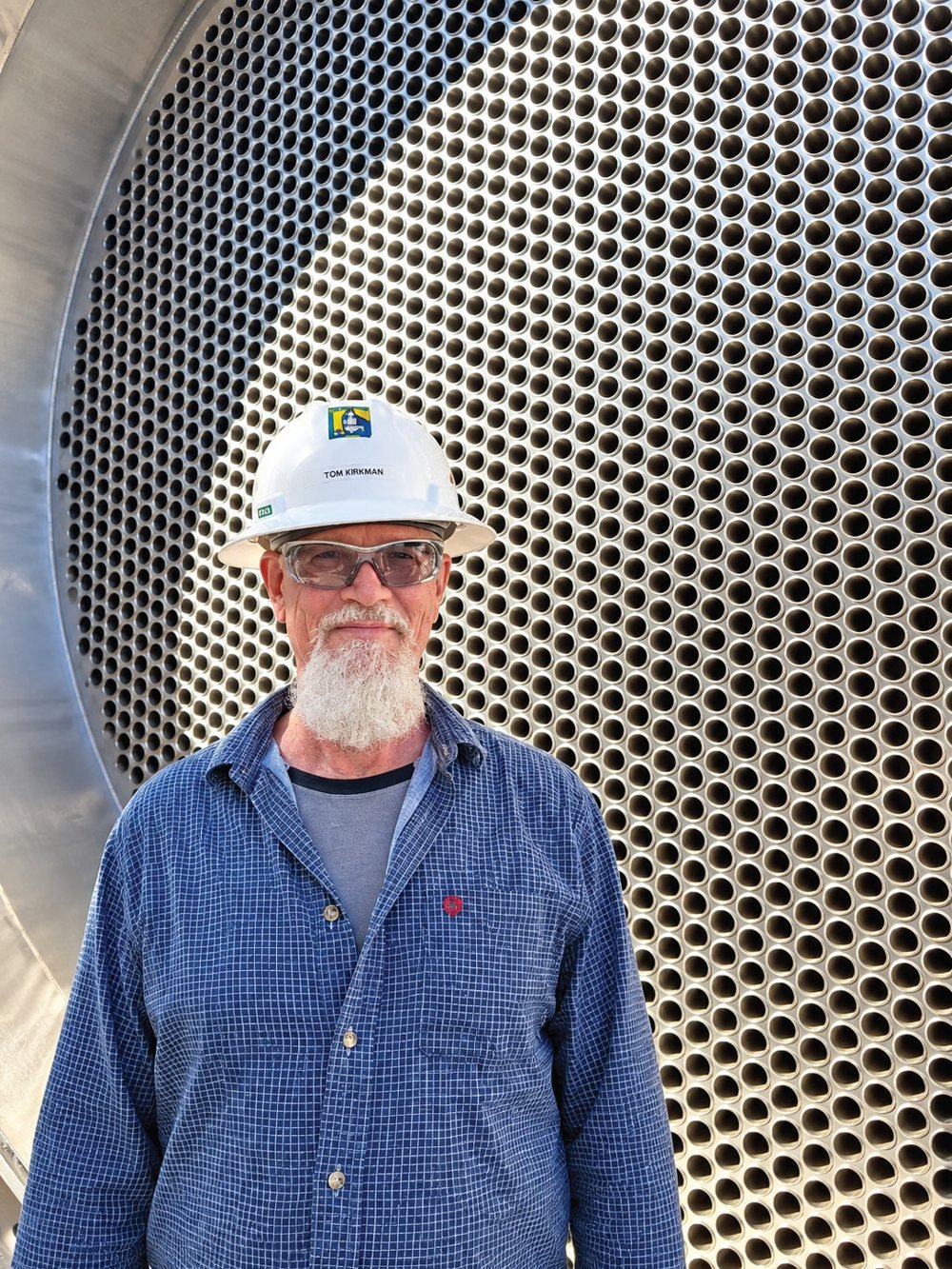 Tom KirkmanIndependent Project Manager
Climate Science Fiction. A trilogy of grade B Sci-Fi Doomsday plots.
=========================
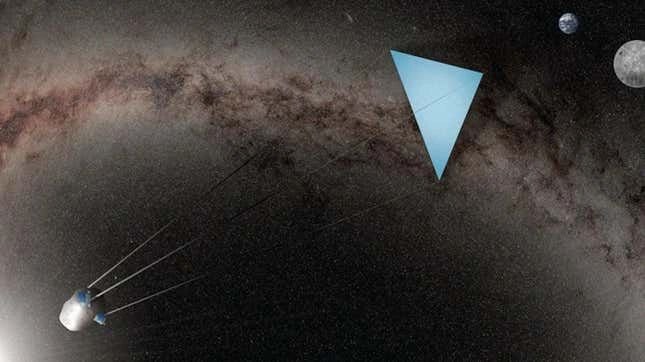
“The solution for protecting the planet from some of the sun’s rays could be a space “umbrella.”
● A study published the scientific journal PNAS in June outlines a University of Hawai’i researcher’s plan for hitching an umbrella or shield onto an asteroid to block some of the sun’s rays.
… Szapudi told Earther that the paper released at the end of July could be the start of future innovation.
He thinks following research could include working with asteroid experts to identify asteroids that could be manipulated to move around the Earth and block sunlight.
According to Szapudi, another factor in making his idea a reality is creating simulations of the sun shield.
Future research would have to be conducted to calculate how the shield could be manufactured and assembled, how it would get into outer space, and if parts of the shielf would have to be assembled in space.
“I want to see whether there is a simple cost effective way [to do this],” he told Earther.
“It’s just the very first step in a big journey,” he said.
Many other climate change mitigation geoengineering projects have been proposed, and some of these suggestions have also involved outer space.
● Last year, a team of researchers at the Massachusetts Institute of Technology announced an idea that included sending a huge raft of “bubbles” into outer space.
The raft would be positioned between the Earth and the Sun.
Theoretically, it would be big enough to deflect sunlight away from the planet to slow down some of our global warming.
Other proposed space ideas are a little scarier.
● Just this year, a group of researchers at Harvard and the University of Utah proposed a solution to shoot millions of tons of moon dust into Earth’s orbit.
The dust would be enough to block out the Sun’s rays.
But like the solution suggested in the study from the University of Hawai’i, these other geoengineering solutions are still theoretical.
Technology would need to advance in order for these solutions to become possible one day. …”